
What Are Nutritional Supplements?
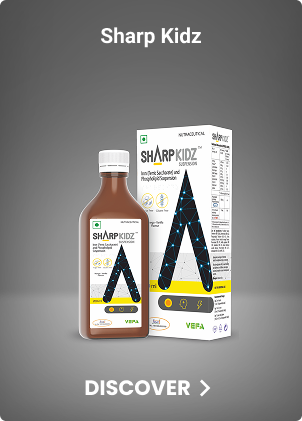
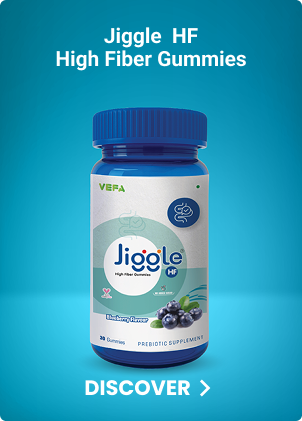
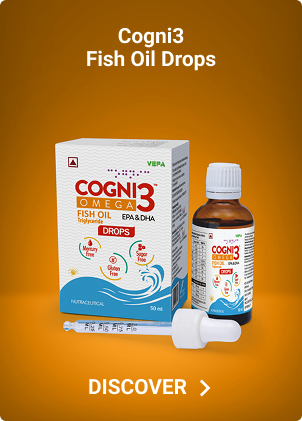
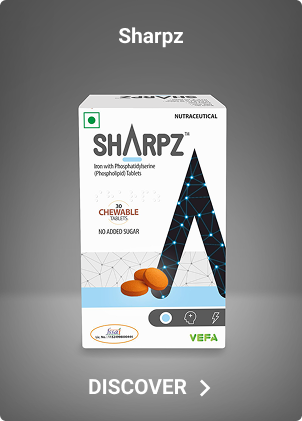
Nutritional supplements are liquids, gummies, capsules, and powders that contain essential nutrients like vitamins (such as Vitamin C or D), minerals (like iron or calcium), amino acids, or plant extracts. These are not meant to replace your meals but to supplement your regular diet, especially when you’re not getting enough nutrients through food.
Benefits of Nutritional Supplements
-
Fills Nutritional Gaps:
Even healthy eaters may fall short in nutrients like Vitamin D, B12, Omega-3, or iron. Supplements help bridge this gap and ensure your body gets what it needs. -
Supports Immune Health:
Vitamin C, Zinc, and Vitamin D are commonly used supplements that help boost immunity, especially during flu seasons or in times of stress. -
Promotes Bone and Joint Health:
Calcium, Vitamin D, and Magnesium supplements support strong bones and joints, especially in older adults or post-menopausal women. -
Enhances Energy and Focus:
B-complex vitamins and iron help combat fatigue and improve mental clarity, which is helpful for busy professionals or students. -
Improves Skin, Hair, and Nails:
Supplements like biotin, collagen, and Vitamin E are often taken to enhance appearance and support healthy skin and hair. -
Aids Recovery and Muscle Health:
Athletes and fitness enthusiasts benefit from protein powders, creatine, or amino acid supplements to recover faster and build muscle.
Also Read: What Are Nutrition Supplements?
How to Choose the Right Supplement
With so many options available, choosing the right supplement can feel overwhelming. It’s important to look for products that are clinically backed, properly labeled, and sourced from trusted manufacturers. Always check for:
-
Clear ingredient list and dosage
-
Certifications like FSSAI approval
-
Absence of harmful additives or excessive sugars
-
Transparency in sourcing and formulation
Choosing the right form also matters—gummies for children, capsules for convenience, or liquids for better absorption depending on your need.
Who Needs Nutritional Supplements?
Not everyone needs supplements. However, they can be especially useful for:
- Pregnant and breastfeeding women – They need more iron, folic acid, and calcium.
- Children and teens – Especially if they’re picky eaters or have low appetite.
- Elderly people – As absorption of nutrients decreases with age.
- People with medical conditions – Like anemia, diabetes, osteoporosis, or digestive issues.
- Vegetarians and vegans – Who mostly lack in Vitamin B12, iron, or Omega-3s.
- Busy professionals or students – Who often skip meals or rely on junk food.
Things to Keep in Mind
While nutritional supplements offer many benefits, they should not be taken blindly. Overuse can be harmful. For example, too much Vitamin A, copper, or iron can be toxic. Always read the label, follow the recommended dose, and if possible, talk to a doctor or nutritionist before starting a new supplement.
Also Read: How Does a Health Supplements Improve Your Health?
Conclusion
So, are nutritional supplements really helpful? Yes – when taken properly and for the right reasons, they can support your health, fill nutritional gaps, and improve your quality of life.
However, it’s equally important to remember that supplements work best when combined with a balanced diet, regular physical activity, and a healthy lifestyle. Think of them as a support system rather than a solution. Making informed choices today can help build a stronger, healthier future.