


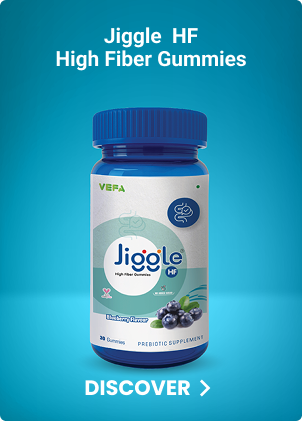


The fiber supplement for kids can be useful, but they should not completely replace a balanced diet. Understanding the benefits, recommended intake, different types, and safety precautions can help parents make informed choices for their children.
Also Read: How to Choose the Right Supplement for Kids
Why Is Fiber Important for Children?
Dietary fiber is the part of plant-based food that the body does not fully digest. Instead, it moves through the digestive system and supports bowel health. Children who consume adequate fiber are generally more likely to have regular and comfortable bowel movements.
Fiber also helps support beneficial gut bacteria. A healthy gut microbiome may contribute to digestion, immune health, and overall well-being. Certain types of soluble fiber can also help children feel full for longer and may support healthy eating habits.
When diet alone does not provide enough fiber, a fiber supplement for kids may sometimes be suggested as an additional source.
Also Read: Why Protwo Dual Protein Powder Is Ideal for Daily Nutrition
Benefits of Fiber Supplements for Kids
One of the most common reasons parents consider fiber supplements is constipation. Fiber can increase the bulk and softness of stools, making them easier to pass. This may be particularly helpful for children who avoid vegetables, fruits, or whole grains.
A suitable fiber supplement for kids may also help:
- Promote regular bowel movements
- Support digestive comfort
- Improve daily fiber intake
- Encourage the growth of healthy gut bacteria
- Support normal stool consistency
- Complement a fiber-rich diet
The response to fiber may vary from one child to another. Therefore, parents should introduce it gradually and monitor digestive comfort.
Also Read: Know About Jiggle AG Gummies Uses
How Much Fiber Do Children Need?
Fiber requirements depend on age, diet, activity level, and individual health needs. A commonly used practical guideline is to add approximately 5 grams to a child’s age to estimate a minimum daily fiber target. For example, a 7-year-old child may need around 12 grams of fiber per day using this simple approach.
Other nutrition guidelines may recommend somewhat higher intakes depending on age and sex. Parents should therefore focus on achieving fiber intake through food first and consult a pediatrician or qualified nutrition professional before routinely giving a fiber supplement for kids.
Good natural fiber sources include apples, pears, bananas, berries, carrots, peas, beans, lentils, oats, whole-grain breads, brown rice, nuts, and seeds where age-appropriate and safe.
Also Read: Best Nutritional Supplements in India
Types of Fiber Supplements for Children
Different fiber supplements work in different ways. Some of the most commonly used forms include:
1. Psyllium Husk
Psyllium is a soluble fiber that absorbs water and forms a soft gel in the digestive tract. It can help improve stool consistency and may support regular bowel movements. It should always be taken with adequate fluids.
2. Inulin
Inulin is a type of soluble fiber found naturally in plants such as chicory root. It also acts as a prebiotic, meaning it can help support beneficial gut bacteria. However, excessive amounts may cause gas or bloating in some children.
3. Partially Hydrolyzed Guar Gum
This soluble fiber is often easy to mix into drinks or foods. It may support digestive regularity and is generally less thick than some other fiber sources.
4. Wheat Dextrin
Wheat dextrin dissolves easily in liquids and can help increase daily fiber intake. Parents should check the ingredient list carefully, particularly if a child has food allergies, intolerances, or gluten-related conditions.
5. Fruit- or Plant-Based Fiber Blends
Some products combine fibers from fruits, vegetables, oats, seeds, or other plant sources. When choosing a fiber supplement for kids, parents should look for age-appropriate products with clearly stated ingredients and serving instructions.
Also Read: Are Healthy Habits for Kids the Secret to Lifelong Wellness?
Safety Tips for Parents
Fiber is beneficial, but suddenly increasing intake can cause abdominal discomfort. Starting with a smaller quantity and increasing gradually can help the digestive system adjust.
Adequate hydration is equally important. Some fibers absorb water, so children should drink enough fluids throughout the day. Giving a large amount of fiber without sufficient water may worsen constipation in certain situations.
Before using a fiber supplement for kids, parents should also check for added sugar, artificial sweeteners, unnecessary flavors, allergens, and the total amount of fiber per serving.
Fiber supplements should be given separately from certain medicines if advised by a healthcare professional, because high amounts of fiber may affect the absorption of some medications.
Parents should seek medical advice if constipation is persistent, painful, associated with vomiting, blood in the stool, significant abdominal swelling, unexplained weight loss, poor growth, fever, or a major change in bowel habits.
Also Read: Is Travel Constipation in Kids Common?
Food First, Supplement When Needed
Supplements should generally be viewed as support rather than a replacement for healthy eating. Offering a variety of fruits, vegetables, pulses, whole grains, and adequate fluids remains the best long-term strategy.
A fiber supplement for kids may be useful when dietary intake remains inadequate, when a child is a very selective eater, or when a healthcare professional recommends additional fiber for digestive concerns.
Choosing the right supplement, starting slowly, maintaining good hydration, and seeking professional guidance when necessary can help parents use fiber safely and effectively.
Also Read: Can Prebiotic for Children Make Constipation Easier?
Conclusion
Fiber supports healthy digestion, regular bowel movements, and a balanced gut environment during childhood. While natural foods should remain the primary source, a fiber supplement for kids can sometimes help bridge nutritional gaps. Parents should choose age-appropriate products, introduce fiber gradually, encourage plenty of fluids, and consult a healthcare professional whenever digestive symptoms persist.
Also Read: What Are Nutrition Supplements?
Frequently Asked Questions
1. Is a fiber supplement safe for children?
A fiber supplement for kids can be safe when the product is appropriate for the child’s age and is used according to professional or label guidance. Parents should consult a pediatrician if the child has ongoing digestive problems or any medical condition.
2. Can fiber supplements help with constipation?
Yes. Certain types of fiber may soften stools and improve bowel regularity. However, constipation can have many causes, so persistent symptoms should be discussed with a doctor.
3. When is the best time to give fiber to a child?
There is no single best time for every child. A supplement can often be taken with meals or as directed on the product label. Consistency and adequate fluid intake are more important than the exact timing.
4. How quickly does a fiber supplement work?
The effect varies depending on the type of fiber and the child’s digestive system. Some children may notice improvement within a few days, while others may require a more gradual adjustment.
5. Can children take fiber supplements every day?
Daily use may be appropriate in some situations, but long-term use should ideally be discussed with a pediatrician. A fiber supplement for kids should complement a nutritious diet rather than become the primary source of dietary fiber.