

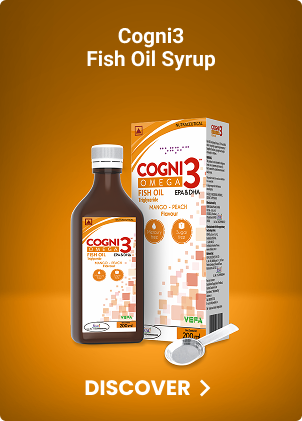

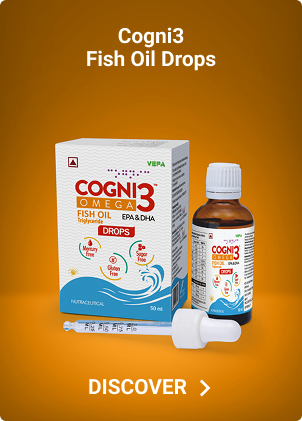

If you are searching for the best omega 3 supplement, understanding the source, purity, concentration, and absorption is essential. A good supplement can support cognitive function, cardiovascular wellness, immunity, and overall vitality. But a poor-quality product may contain low omega-3 levels, oxidation, or unnecessary fillers.
What Are Omega-3 Fatty Acids?
Omega-3s are essential fatty acids that the body cannot produce on its own. The three major types are:
- EPA (Eicosapentaenoic Acid) – Supports heart health and reduces inflammation.
- DHA (Docosahexaenoic Acid) – Important for brain, eye, and nervous system function.
- ALA (Alpha-Linolenic Acid) – Plant-based omega-3 found in flaxseed and chia seeds.
When choosing the best omega 3 supplement, EPA and DHA content are the most important factors because they are directly used by the body.
Also Read: Why Omega 3 for Kids is Essential for Brain Development
Why Omega-3 Supplements Matter
Modern diets often contain excess omega-6 fatty acids and insufficient omega-3 intake. This imbalance may contribute to inflammation and lifestyle-related health concerns. A high-quality omega-3 supplement can help bridge this nutritional gap.
Benefits commonly associated with the best omega 3 supplement include:
- Better brain and cognitive support
- Heart and cardiovascular wellness
- Joint flexibility and mobility
- Eye health support
- Healthy skin and hair
- Support for mood and emotional balance
Many doctors also recommend omega-3s for children, pregnant women, elderly individuals, and people with low fish consumption.
Also Read: Omega 3 Supplements for Kids: Benefits, Dosage & Side Effects
How to Choose the Best Omega 3 Supplement
-
Check EPA and DHA Levels
One of the biggest mistakes consumers make is only checking the total fish oil quantity. A 1000 mg fish oil capsule may contain only 300 mg of active omega-3s.
The best omega 3 supplement should clearly mention the amount of EPA and DHA per serving. Higher concentrations usually indicate better potency and value.
Should clearly mention the amount of EPA and DHA per serving higher
-
Look for Triglyceride Form
Omega-3 supplements are available in different forms such as ethyl ester and triglyceride form. Triglyceride-form omega-3 is generally considered more bioavailable and easier for the body to absorb.
Omega-3 supplements are available in different form such as a ethyl ester and triglyceride form is generally considered more bioavailable and easier for the body to absorb
When comparing products, absorption quality matters just as much as dosage.
-
Ensure Purity and Heavy Metal Testing
Fish oil quality depends heavily on purification standards. Low-quality products may contain contaminants like mercury, PCBs, or oxidized oils.
The best omega 3 supplement should ideally be:
- Molecularly distilled
- Third-party tested
- Free from heavy metals
- Low in oxidation
Certifications from trusted organizations can provide additional confidence.
-
Choose the Right Source
Omega-3 supplements are commonly sourced from:
- Salmon
- Sardines
- Anchovies
- Krill oil
- Algae oil
Fish sourced from smaller deep-sea fish are often considered safer due to lower toxin accumulation. Vegetarian or vegan users may prefer algae-derived DHA supplements.
-
Check Freshness and Stability
Omega-3 oils can oxidize over time, leading to a rancid smell or reduced effectiveness. Freshness is critical when selecting the best omega 3 supplement.
A quality supplement should:
- Have antioxidant protection like Vitamin E
- Come in dark or protective packaging
- Have a clear expiry date
If the capsule smells excessively fishy, it may indicate oxidation.
-
Consider Your Health Goal
Different formulations may suit different needs:
- High DHA for brain and eye support
- Higher EPA for heart and inflammation support
- Balanced EPA:DHA for overall wellness
Children may require flavored syrups or chewables, while adults may prefer softgels or liquid forms.
Also Read: Omega 3 Fish Oil for Kids
Fish Oil vs Krill Oil vs Algae Oil
Fish Oil
Most common and widely researched. Usually offers higher EPA and DHA levels at a cost-effective price.
Krill Oil
Contains phospholipid-bound omega-3s and antioxidants like astaxanthin.
Algae Oil
Plant-based and suitable for vegetarians and vegans. Rich in DHA and increasingly popular as a sustainable option.
Choosing the best omega 3 supplement depends on dietary preference, budget, and health objectives.
Signs of a High-Quality Omega-3 Supplement
Before buying, look for these features:
- Clearly labeled EPA and DHA amounts
- Minimal additives or artificial colors
- Good manufacturing standards
- Third-party purity certification
- Positive stability and freshness indicators
The best omega 3 supplement is not necessarily the most expensive one. The right balance of purity, potency, and absorption matters more than marketing claims.
Final Thoughts
Omega-3 supplementation has become an important part of modern wellness routines. However, choosing the right product requires more than simply picking a popular brand. Understanding EPA and DHA levels, purity standards, source quality, and absorption can help you make an informed decision.
The best omega 3 supplement is one that aligns with your nutritional needs, lifestyle, and long-term health goals. Whether you prefer fish oil, krill oil, or algae-based omega-3, prioritizing quality and transparency is essential for getting maximum benefit.
FAQs
-
What is the best time to take an omega-3 supplement?
Omega-3 supplements are usually best taken with meals, especially meals containing healthy fats, to improve absorption and reduce fishy aftertaste.
-
How much omega-3 should I take daily?
Daily intake varies based on age and health goals, but many adults consume 250–1000 mg combined EPA and DHA per day.
-
Can vegetarians take omega-3 supplements?
Yes. Algae-based omega-3 supplements provide DHA and are suitable for vegetarians and vegans.
-
How do I know if an omega-3 supplement is pure?
Look for third-party testing, heavy metal screening, molecular distillation, and freshness certifications on the label.
-
Is fish oil better than krill oil?
Both have benefits. Fish oil usually provides higher omega-3 concentration, while krill oil may offer improved absorption for some users.