





But one important question remains in everyone’s mind — are melatonin gummies safe? Let’s break this down in simple language so anyone can understand.
What Exactly Is Melatonin?
In the conventional sense, melatonin is not a drug. It is a hormone that your own brain makes naturally. It is produced by a tiny gland called the pineal gland, mainly after sunset.
Your body produces more melatonin when it becomes darker, which tells your brain it’s time for sleep.
When morning light appears, melatonin levels drop, telling your body to wake up. This natural rise and fall of melatonin controls your internal sleep clock, also called the circadian rhythm.
Problems start when this natural rhythm gets disturbed—due to late-night mobile use, stress, travel across time zones, shift work, or certain health conditions. When the body does not release enough melatonin at the right time, falling asleep becomes difficult. That’s where melatonin supplements, including gummies, come in.
Also Read: Melatonin Gummies: A Modern Solution for Better Sleep
Why Have Gummies Become So Popular?
Melatonin is available in many forms—tablets, capsules, drops, syrups, and now gummies. Gummies have become especially popular because:
- They are easy to chew and swallow
- They have a pleasant taste
- They feel less like “medicine”
- Children and elderly people find them easier to take
- They are convenient for travel
Because of this, many parents, working professionals, and senior citizens prefer gummies over traditional pills.
Also Read: The Science Behind Melatonin: How It Works in the Body
Is Melatonin Safe for Long-Term Use?
This is the most commonly asked question. The short answer is:
✅ Yes, melatonin is considered extremely safe when used correctly.
Thousands of scientific studies over the last few decades have looked at melatonin use in children, adults, and elderly people. These studies consistently show that melatonin does not cause addiction, does not damage the brain, and does not behave like sedatives.
One important reason melatonin is safe is its short half-life. In simple words, half-life is the time the body takes to remove half of a substance from the bloodstream. For regular melatonin, this is about 30 to 60 minutes. That means the body clears it quickly and it does not build up inside you.
This is completely different from sleeping pills, which often stay in the system for many hours and can cause dependency.
Also Read: Types of Melatonin Supplements and Who They Help the Most
Immediate Release vs Sustained Release Melatonin
There are two main types of melatonin formulations:
-
Immediate Release Melatonin
This helps you fall asleep faster. It releases melatonin quickly after intake and works well for people who struggle to fall asleep.
-
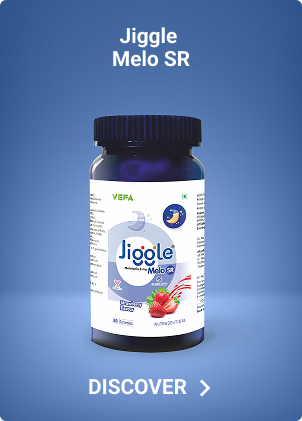
Sustained Release Melatonin
This slowly releases melatonin over 6 to 8 hours, helping you stay asleep through the night. It does not increase the dose—it only slows the absorption. This is useful for people who wake up frequently at night or have early morning awakenings.
Both forms are considered safe when used in the right dose.
Also Read: Benefits of Melatonin Gummies
What Do Studies Say About Melatonin Safety?
Many well-known medical studies have evaluated melatonin in conditions such as:
- Insomnia
- Jet lag
- Shift work sleep disorder
- Autism spectrum disorder
- Delayed sleep phase disorder
- Anxiety-related sleep problems
These studies show improvements in:
- Time taken to fall asleep
- Total hours of sleep
- Sleep quality
- Morning alertness
One large study in a reputed sleep journal showed that sustained release melatonin significantly improved restful sleep and reduced morning tiredness, without causing dependency.
This is why melatonin is often recommended as a first-line option before sleeping pills.
Also Read: Who Should Consider Melatonin Gummies?
What About Children and Elderly People?
Children with autism, ADHD, sensory issues, or irregular sleep cycles often struggle with sleep. Under medical supervision, melatonin has been found to be both safe and helpful in these cases. It improves bedtime resistance, shortens sleep-onset time, and increases total sleep duration.
In elderly people, natural melatonin levels reduce with age. This is one reason older adults wake up very early or get restless sleep. Low-dose melatonin helps restore a healthier sleep rhythm in seniors without causing the dangerous side effects seen with strong sleeping tablets.
Also Read: How Much Melatonin Do You Really Need?
Are There Any Side Effects?
Like any supplement, melatonin can cause mild side effects, but they are rare and usually dose-related. These may include:
- Vivid dreams
- Slight morning drowsiness
- Mild headache
- Light nausea (rare)
These effects typically appear only when higher-than-necessary doses are taken. Reducing the dose usually solves the problem.
Importantly, melatonin does not cause breathing suppression, memory issues, or mental dullness like sleeping pills do.
Can Melatonin Cause Dependency?
One of people’s greatest fears is this. The answer is no.
Melatonin does not create habit-forming behavior. It works by supporting your natural sleep rhythm, not forcing sleep chemically. Once your sleep cycle improves, many people are able to stop melatonin without withdrawal or rebound insomnia.
However, psychological dependence can occur if someone believes they cannot sleep without it. This is a mindset issue, not a chemical addiction.
Who Should Be Careful?
Although melatonin is very safe, some people should take medical advice before using it:
- Pregnant or breastfeeding women
- People with epilepsy
- People with autoimmune diseases
- Those taking antidepressants, blood thinners, or hormonal medicines
In these cases, dosage adjustment may be needed.
The Final Verdict: Are Melatonin Gummies Safe?
✅ Melatonin gummies are safe
✅ They are non-addictive
✅ They work with the body’s natural sleep system
✅ They are suitable for adults, seniors, and even children under medical guidance
✅ Sustained release melatonin versions help maintain sleep through the night
✅ Side effects are mild and uncommon
In today’s stressful world, where sleep problems have become almost normal, melatonin offers a gentle, natural, and reliable solution. When used responsibly, it acts as a sleep supporter—not a sleeping drug.
Good sleep is not a luxury; it is a basic need for physical health, mental clarity, emotional balance, immunity, and long-term wellness. If melatonin helps bring back that balance safely, it truly earns its place in modern sleep care.